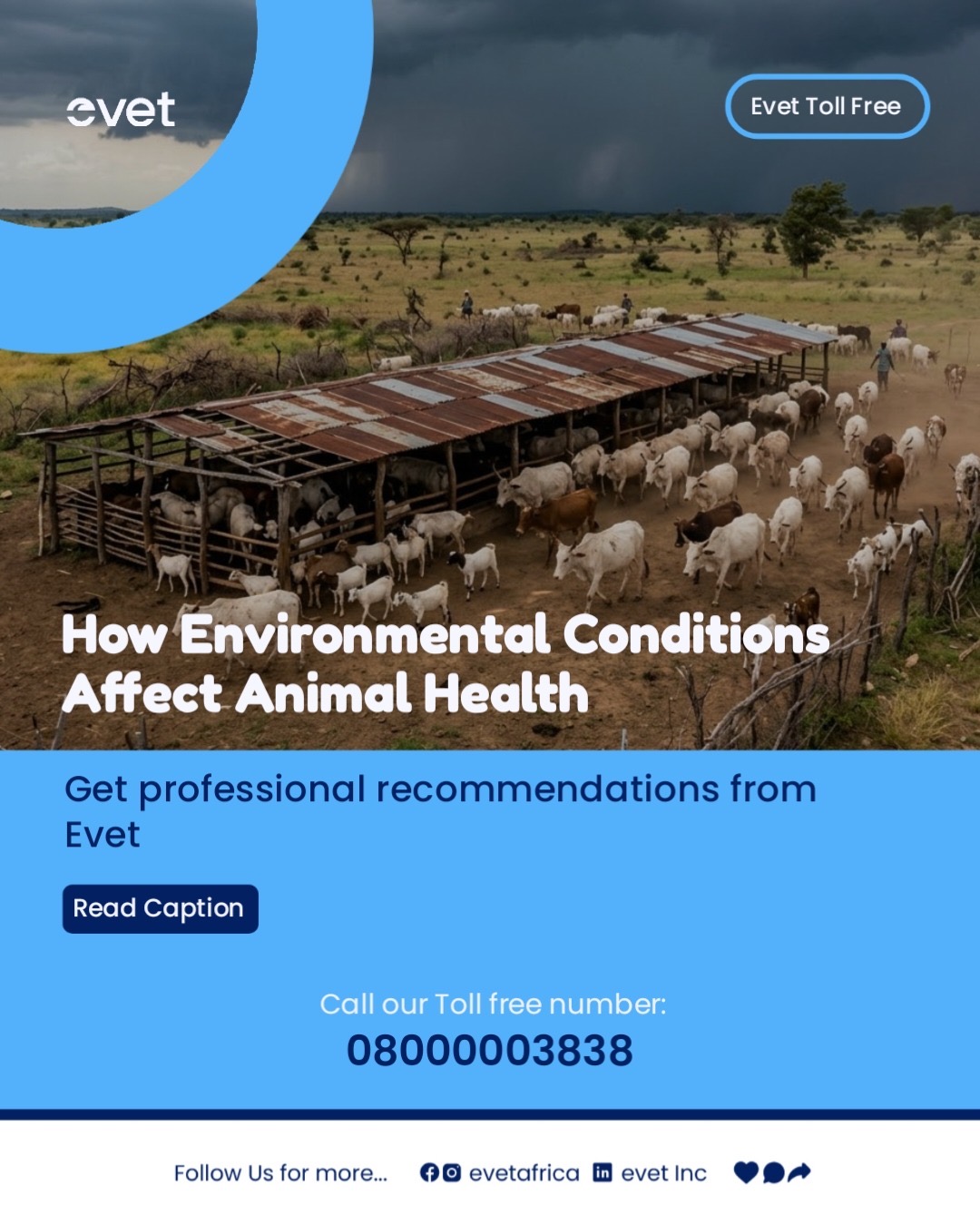
How Environmental Conditions Affect Animal Health
# How Environmental Conditions Affect Animal Health
When livestock farmers think about animal health, they usually think about feed, vaccines, and medication. These matter, but they are only part of the picture. The environment your animals live in, including the weather, the temperature, the quality of their shelter, and the water they drink, shapes their health every single day.
Environmental stress rarely causes dramatic, instant illness. Instead, it wears down an animal's defenses quietly, leaving it more vulnerable to infection, slower to grow, and less productive. By the time the effects become obvious, a whole herd or flock may already be affected.
## The Environmental Factors That Matter Most
### Temperature extremes
Animals work hard to keep their body temperature stable. In hot weather, heat stress reduces appetite, increases water demand, and lowers immunity, milk yield, egg production, and fertility. Poultry and dairy animals are especially sensitive. In cold or damp conditions, young and weak animals struggle to stay warm and are more prone to respiratory illness.
### Moisture and humidity
Wet ground, muddy pens, and damp bedding are ideal breeding grounds for bacteria, fungi, and parasites. They contribute to hoof problems such as foot rot, skin infections, and worm burdens. High humidity can also spoil feed, increasing the risk of mold and toxins.
### Ventilation and air quality
Poor airflow traps heat, moisture, dust, and ammonia from droppings inside the shelter. Over time, this irritates the respiratory system and makes pneumonia and other breathing problems much more likely, especially in crowded housing.
### Shelter quality and drainage
Leaking roofs, poor drainage, and overcrowded pens expose animals to stress and disease. A shelter should keep animals dry, shaded, and comfortable, with enough space for each animal to rest and move freely.
### Water and pasture quality
Contaminated water sources can spread bacteria and parasites quickly. Poor or overgrazed pasture limits nutrition and can expose animals to toxic plants and parasite larvae.
### Seasonal pests and diseases
Changes in weather often bring surges in ticks, flies, and mosquitoes. These insects not only irritate animals but also spread diseases, so seasonal changes should always prompt a review of your parasite control routine.
## The Bigger Picture: El Niño and Your Animals
Beyond ordinary seasonal changes, there is a larger climate factor farmers should have on their radar right now: El Niño.
According to NOAA, El Niño conditions were declared on 11 June 2026 and are expected to persist until around February or March 2027. Reports published this year also anticipate that large parts of West and Central Africa could see unusually low or unusually heavy rainfall between October and December 2026.
### Why El Niño affects different regions differently
El Niño does not bring the same weather to every location. Nigeria's experience during the 2015-2016 El Niño shows this clearly: the north suffered severe drought and long dry spells, while the south often experienced excessive rainfall and flooding. It is also worth noting that forecasts describe risks, not certainties, and local impacts depend on timing and geography. What happens on your farm will depend on where you are.
### If your area turns drier and hotter
- Scarce pasture and water: Animals travel farther and compete for limited resources.
- Heat stress: Reduced feed intake, weight loss, and lower milk and egg output.
- Weaker immunity: Stressed, undernourished animals are less able to fight infections.
- Feed shortages and rising prices: Poor pasture and weaker harvests can make feed scarcer and more expensive.
### If your area turns wetter
- Waterlogged pens and grazing land: Increased foot rot, skin infections, and parasite burdens.
- Respiratory infections: Damp, poorly ventilated shelters raise the risk of pneumonia.
- Contaminated water: Flooding can spread bacteria and parasites into drinking sources.
- Flood risk: Animals, feed stores, and shelters can be damaged or lost.
### In both cases
Unusual weather can trigger surges in ticks, flies, and mosquitoes, along with outbreaks of diseases that farmers may not normally encounter.
## How to Protect Your Animals
Most environmental risks can be reduced with early, practical steps:
1. Keep pens clean, dry, and well drained. Check roofs and drainage channels before heavy rain arrives.
2. Provide shade and ventilation. Ensure animals can escape direct heat and that air can move freely through the shelter.
3. Secure clean, plentiful water. Increase supply during hot spells, and protect water sources from flooding and contamination.
4. Build a feed reserve. Store extra feed and fodder where possible, and keep it dry and protected from pests and mold.
5. Adjust health routines to the season. Review vaccination, deworming, and tick control plans with a veterinarian ahead of rainy or dry periods.
6. Avoid overcrowding. Crowded animals stress more easily and spread infection faster.
7. Observe closely whenever the weather changes. Early signs such as reduced appetite, coughing, or lethargy are easier and cheaper to deal with than advanced illness.
## Keep Records to Spot Patterns
One of the most useful habits in managing environmental risk is keeping records. Noting weather conditions alongside feed intake, health observations, and production output helps farmers see how conditions affect their animals over time, and respond sooner the next time similar conditions appear.
## When to Seek Professional Advice
Every farm is different, and so are its risks. Housing design, location, species, and stage of production all influence how weather affects your animals. If you are unsure how El Niño or the current season may affect your herd or flock, it is worth getting a professional opinion before problems start rather than after.
Get professional recommendations from Evet.
Call the Evet toll-free line: 08000003838
## The Bottom Line
Animal health is shaped by far more than feed and medication. The environment can strengthen or weaken your animals every day, and a major climate event like El Niño can amplify those effects. Farmers who watch the weather, prepare their housing and supplies early, and adjust their health plans to the season are far better placed to protect their animals, their output, and their income.