How heat stress weakens animal immunity
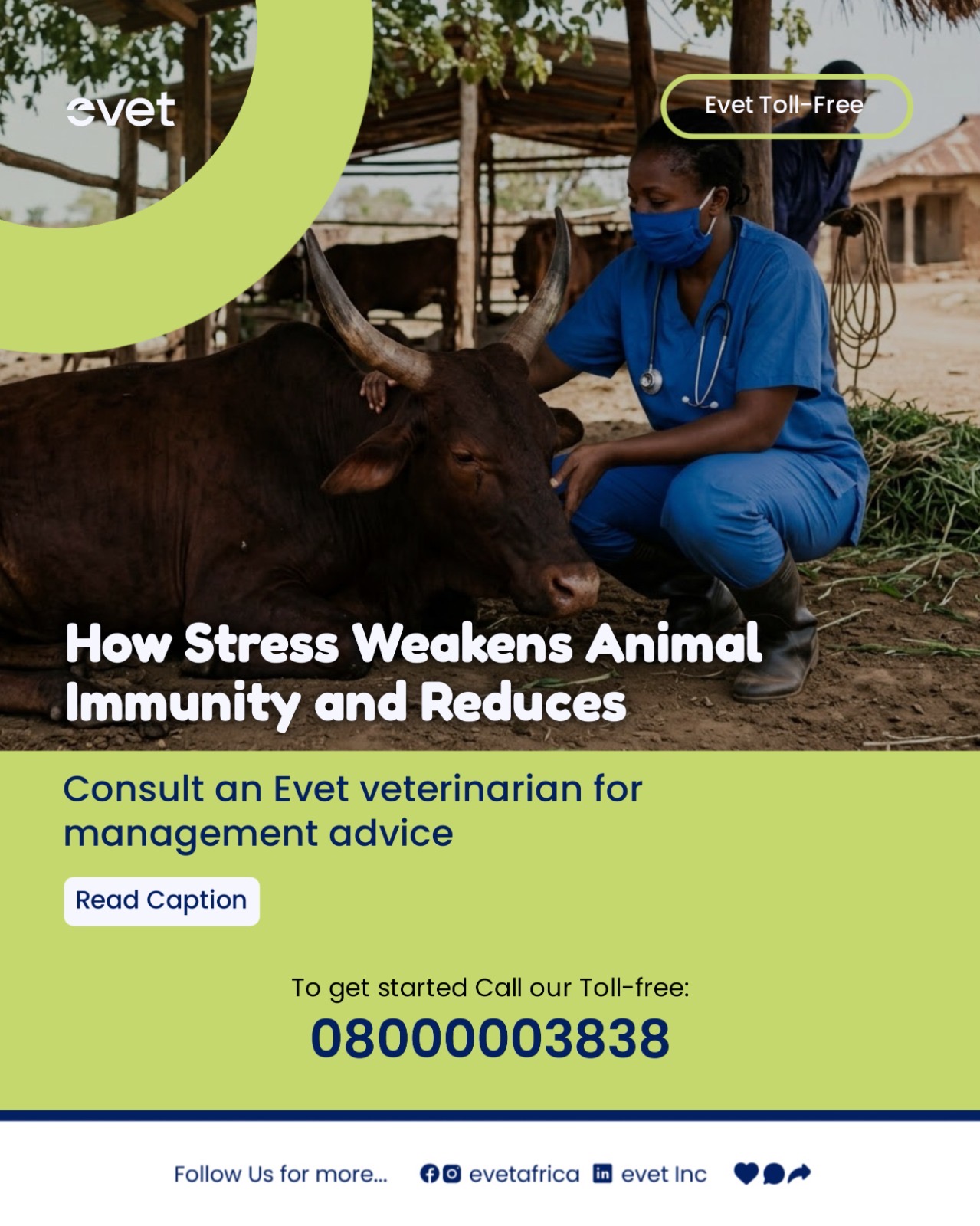
# How Stress Weakens Animal Immunity and Reduces Productivity
When farmers think about protecting their livestock, the focus usually goes straight to disease — vaccinations, treatments, and spotting symptoms early. What often gets overlooked is a quieter, less visible threat that sits behind many of these health problems in the first place: stress.
Stress in animals isn't just a behavioral inconvenience. It's a physiological event with real, measurable consequences on immunity, growth, and productivity. And because its effects are gradual and easy to misread, many farmers deal with the symptoms of stress for months without ever identifying the actual cause.
## Stress Is Not Just "In the Animal's Head"
It's tempting to think of stress as a minor, temporary discomfort that animals simply get over. Biologically, it's far more significant than that.
When an animal experiences stress — whether from heat, overcrowding, rough handling, or sudden environmental change — its body releases stress hormones, primarily cortisol, as part of a survival response. In short bursts, this response is normal and even useful. But when stress becomes prolonged or repeated, cortisol suppresses the immune system, redirecting the body's energy away from fighting off pathogens and toward simply coping with the stressor.
The result: an animal that looks physically fine on the outside can be significantly more vulnerable to infection on the inside, simply because its immune defenses have been quietly weakened.
## Common Sources of Stress on the Farm
Stress triggers are often so routine that farmers don't think of them as risk factors at all:
Heat stress and poor ventilation
High temperatures and inadequate airflow force animals into constant physiological strain, particularly in poultry and dairy operations where heat tolerance is limited.
Transportation and handling
Moving animals — to market, between pens, or during routine handling — is one of the most well-documented stress events in livestock management, especially when done roughly or without proper planning.
Overcrowding
Limited space increases competition for feed, water, and rest, creating chronic low-grade stress that compounds over time.
Inconsistent feed or water access
Irregular feeding schedules or water shortages don't just affect nutrition directly — they add a layer of physiological stress on top of it.
Disruption to social structure or routine
Livestock, particularly cattle and poultry, are creatures of habit and hierarchy. Sudden regrouping, new animals introduced abruptly, or disrupted routines can trigger measurable stress responses.
## How Stress Shows Up — Often Disguised as Something Else
This is where stress becomes genuinely tricky to manage: its effects rarely present as "stress" directly. Instead, farmers see:
- Increased disease susceptibility — animals catching infections more frequently or more severely than expected
- Reduced growth rates — slower weight gain despite adequate feeding
- Lower milk or egg production — output dropping without an obvious disease cause
- Poor reproductive performance — reduced conception rates or complications during breeding
Because these symptoms overlap with many other conditions, stress is frequently misdiagnosed as "just a weak batch," a feed issue, or an unexplained decline — when the underlying driver is an immune system under chronic pressure.
## Why This Matters for Farm Profitability
Beyond animal welfare, chronic stress has a direct financial cost. Weakened immunity means more disease outbreaks and higher veterinary spend. Reduced growth and lower yields mean longer production cycles and smaller margins. Poor reproductive outcomes mean slower herd or flock growth over time.
In other words, stress management isn't a "soft" welfare concern — it's a core part of protecting farm output and profitability, often as significant as nutrition or vaccination programs.
## Managing Stress as Part of Herd Health
The good news is that most stress triggers on a farm are manageable with the right practices:
1. Improve housing and ventilation to reduce heat stress, especially during hotter months.
2. Handle animals calmly and consistently, minimizing rough handling during transport or routine tasks.
3. Avoid overcrowding by ensuring adequate space per animal.
4. Maintain consistent feeding and watering schedules, avoiding sudden changes.
5. Introduce new animals or regroup herds gradually, giving time for social adjustment.
None of these require expensive interventions — mostly awareness and consistency. But identifying which stressor is affecting a particular farm, and how to correct it, often benefits from professional guidance.
## When to Bring in Expert Support
If a farm is experiencing unexplained dips in performance, recurring illness despite proper vaccination, or reproductive issues without a clear cause, it may be worth looking beyond disease diagnostics and considering stress as a contributing factor. A veterinarian can help identify the specific stressors affecting a herd or flock and recommend practical management changes.
Consult an Evet veterinarian for expert management advice.
Call the Evet Toll-Free line: 08000003838
The Bottom Line
Disease gets the attention, but stress is often the quiet condition that makes disease possible in the first place. Recognizing stress as a genuine health factor — not just an inconvenience — gives farmers a more complete picture of what's actually affecting their animals' immunity, growth, and productivity. Managing it isn't optional extra care; it's a foundational part of running a healthy, profitable farm.